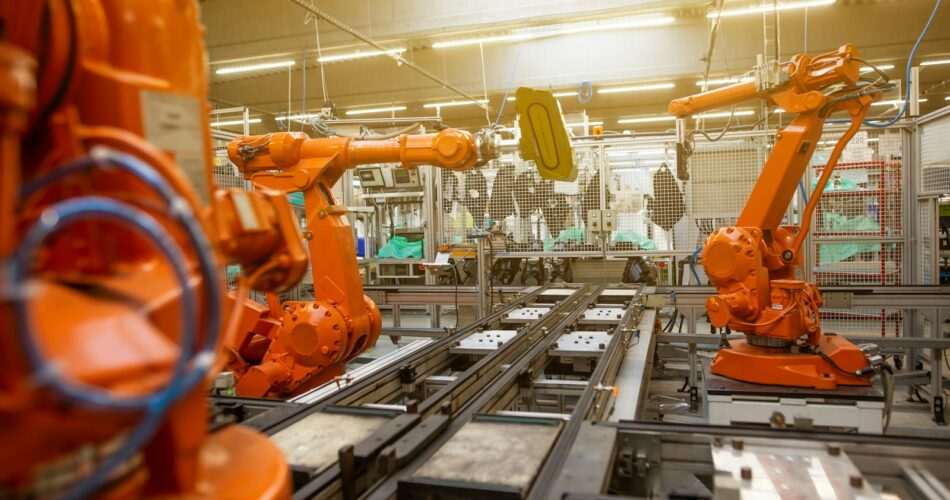
In the modern industry, automation systems have become critical technologies that increase production efficiency and reduce costs. However, despite their advanced nature, these systems can sometimes encounter unexpected errors and malfunctions. When a robot stops or an automation system does not respond, our first reaction is usually to panic. Yet, if we adopt a calm and systematic approach during these critical moments and follow the correct steps, we can minimize downtime and prevent similar problems in the future.
In this article, we will examine in detail how to exhibit a professional approach in the face of errors encountered in automation projects, which steps you need to follow, and how to build more resilient systems in the long term.
Root Causes and Categories of Automation Errors
To develop an effective error management strategy, we first need to understand what types of errors we may encounter and their root causes. Errors in automation systems can generally be divided into four main categories.
Hardware-Related Errors
Hardware errors are one of the most common problem types in automation systems. Problems under this category include:
- Sensor failures: Calibration loss or complete failure of position, pressure, temperature, or vision sensors
- Actuator problems: Motor failures, valve blockages, pneumatic system pressure losses
- Electronic board failures: Electronic component failures on PLCs, HMI panels, or driver boards
- Connection issues: Cable breaks, loose connectors, signal transmission problems
Software and Programming Errors
Errors in the software layer, which is the brain of automation systems, are particularly critical:
- Logic errors: Logical errors overlooked during the programming stage
- Timing problems: Synchronization deficiencies and timeout errors
- Version incompatibilities: Version conflicts between different software components
- Memory leak problem: Performance drop due to inefficient use of system memory
Environmental Factors and External Influences
Automation systems are significantly affected by the environment in which they operate:
- Power quality issues: Voltage fluctuations, power outages, harmonic distortions
- Environmental conditions: Extreme temperature, humidity, vibration, electromagnetic interference
- Vibration and shock: The impact of mechanical vibrations from machines on sensitive components
Human-Related Errors
The human factor is the source of a large portion of errors in automation systems:
- Incorrect operation: Improper intervention and incorrect parameter entry by operators
- Lack of maintenance: Neglect of regular maintenance and inspections
- Insufficient training: Lack of sufficient knowledge about the system by personnel
Emergency Response Protocols
The first 15 minutes are critical when your automation system stops. By taking the right steps during this period, you can ensure safety and quickly identify the issue.
Actions to Take in the First 5 Minutes
The first phase of your emergency protocol should be to follow the checklist below:
- Conduct a safety check: Ensure that all personnel are at a safe distance
- Check the emergency stop status: Is the emergency stop button active?
- Immediately record system logs: Record error messages and system status information before they disappear
- Check basic system parameters: Power source, main connections, critical sensors
- Inform the relevant team: Notify the technical team, production managers, and senior management
Safety-First Approach
Safety is always the top priority. Before restarting the system:
- Ensure that all safety systems are functioning
- Provide personnel safety training and explain risks
- Isolate the work area if necessary
- Activate your emergency plan
Rapid Identification and Classification
To quickly categorize the problem, ask the following questions:
- Which subsystem did the problem originate from?
- Is the error continuous or intermittent?
- Has a similar problem occurred before?
- Is the system completely stopped or partially operational?
Systematic Problem Identification and Analysis Methods
After completing the emergency intervention, we need to find the root cause of the problem with a systematic approach.
Root Cause Analysis
Root cause analysis is the process of finding the actual cause underlying the surface symptoms of the problem. Follow these steps for this analysis:
- Problem definition: Define the problem clearly and measurably
- Data collection: Collect all relevant data, logs, and observations
- Creating a timeline: Chronologically order events from the start of the problem
- Cause-effect analysis: Categorize potential causes using a fishbone diagram
PDCA Cycle Application
The Plan-Do-Check-Act cycle is an excellent framework for systematic problem solving:
- Plan: Detail your problem-solving plan
- Do: Implement your plan in a controlled manner
- Check: Measure and evaluate the results
- Act: Standardize successful solutions
5 Whys Technique
You can reach the root cause by repeatedly asking “why” for each problem:
- Why did the robot stop? → The sensor is giving an error
- Why is the sensor giving an error? → Its calibration is disrupted
- Why has the calibration been disrupted? → It was affected by vibration
- Why was it affected by vibration? → Insufficient mounting
- Why is the mounting insufficient? → Standard procedure was not followed
Effective Error-Handling Strategies
After identifying the problem, we move on to the solution phase. Here, a systematic approach is critical.
Step-by-Step Troubleshooting Process
The following methodology is applicable to most automation errors:
- Isolation: Isolate the problem within the system
- Test: Conduct simple experiments to test your assumptions
- Swap: Temporarily replace components you suspect
- Verification: Ensure the solution really works
- Documentation: Record the solution process in detail
Backup and Recovery Plans
Always make a backup before any intervention:
- System configuration: Save the current settings
- Program backups: Backup all PLC and robot programs
- Parameters: Take screenshots of critical parameters
- Backup plan: Prepare rollback procedures for each change
Alternative Solutions
You should have alternatives ready when the main solution fails:
- Bypass solutions: Temporarily disable critical components
- Manual operation: Operate the system in manual mode
- Spare equipment: Spare part strategy for critical components
- Temporary solutions: Interim solutions that do not stop production
Proactive Approaches to Prevent Future Failures
Transitioning from reactive troubleshooting to proactive failure prevention is the key to modern automation management.
Predictive Maintenance
Predictive maintenance is a method for detecting potential failures in advance:
- Vibration analysis: Conduct vibration analysis of mechanical components
- Thermographic monitoring: Monitor electrical components with thermal cameras
- Oil analysis: Regularly check oil quality in hydraulic systems
- Current signature analysis: Monitor motor current changes
Continuous Monitoring and Systems
Establishing real-time monitoring systems enables early detection of problems:
- SCADA systems: Centralized monitoring and control
- IoT sensors: Continuous monitoring of critical parameters
- Alarm management: Establish an intelligent alarm system
- Trend analysis: Monitor changes over time in system performance
Documentation and Knowledge Management
A good documentation system allows faster resolution of future problems:
- Error logging system: Systematically record all errors and solutions
- Knowledge base: Create a solution database
- Procedure documentation: Prepare standard operating procedures
- Training materials: Develop continuous training resources for the team
Team Management and Communication Protocols
Human factors are as critical as technical solutions. Effective team management and communication during a crisis are key to success.
Team Coordination During a Crisis
Define clear roles for team coordination in emergencies:
- Incident Commander: Responsible for overall coordination
- Technical Expert: Responsible for problem-solving and technical decisions
- Communication Officer: Manages internal and external communication
- Safety Officer: Responsible for all safety measures
Reporting to Upper Management
Provide clear and timely information to managers:
- Initial report (within 15 minutes): Problem summary and estimated duration
- Status updates (hourly): Progress status and revised estimates
- Final report (post-resolution): Detailed analysis and preventive measures
Customer Communication and Transparency
Build trust by proactively communicating with your customers:
- Early notification: Be transparent instead of hiding the problem
- Regular updates: Provide status updates at specified intervals
- Compensation plan: Offer solutions for incurred losses
- Future guarantees: Explain measures taken to prevent similar problems
Conclusion and Evaluation
Error management in automation projects is a complex process that requires systematic thinking and the application of correct protocols as much as technical skills. The key elements of successful error management are:
Be prepared: Predefined procedures and emergency plans will save you valuable time in a crisis. Prepare specific troubleshooting guides for each system and ensure your team has access to them.
Adopt a systematic approach: Use methodological problem-solving techniques instead of panic. Proven methods like root cause analysis and the 5 Whys technique not only solve the problem but also provide valuable lessons for similar future errors.
Embrace continuous learning: Every error is an opportunity to strengthen your system. Document the problems encountered, analyze the solution processes, and share this information with your team.
Be proactive: Transitioning from reactive to proactive maintenance reduces costs and increases system reliability in the long run. Adopt predictive maintenance technologies and establish continuous monitoring systems.
Remember, there is no perfectly working automation system. What matters is how quickly, effectively, and professionally you can intervene when errors occur. By adapting the strategies presented in this article to your system, you can create a more resilient and reliable infrastructure in your automation projects.
Lastly, remember that error management is a team effort. By establishing effective communication with all stakeholders-from your technical team to operations personnel, from upper management to customers-you can optimize your problem-solving process and lay the foundation for your future successes.